Quick Answer: The Top 7 Signs of Hidden Water Damage
If you are short on time, here are the warning signs that most often lead to a confirmed leak during a Yellowwood Water Restoration inspection in Yellowwood:
- Musty smell that lingers even after cleaning
- Unexplained spike of 10 to 30 percent on your water bill
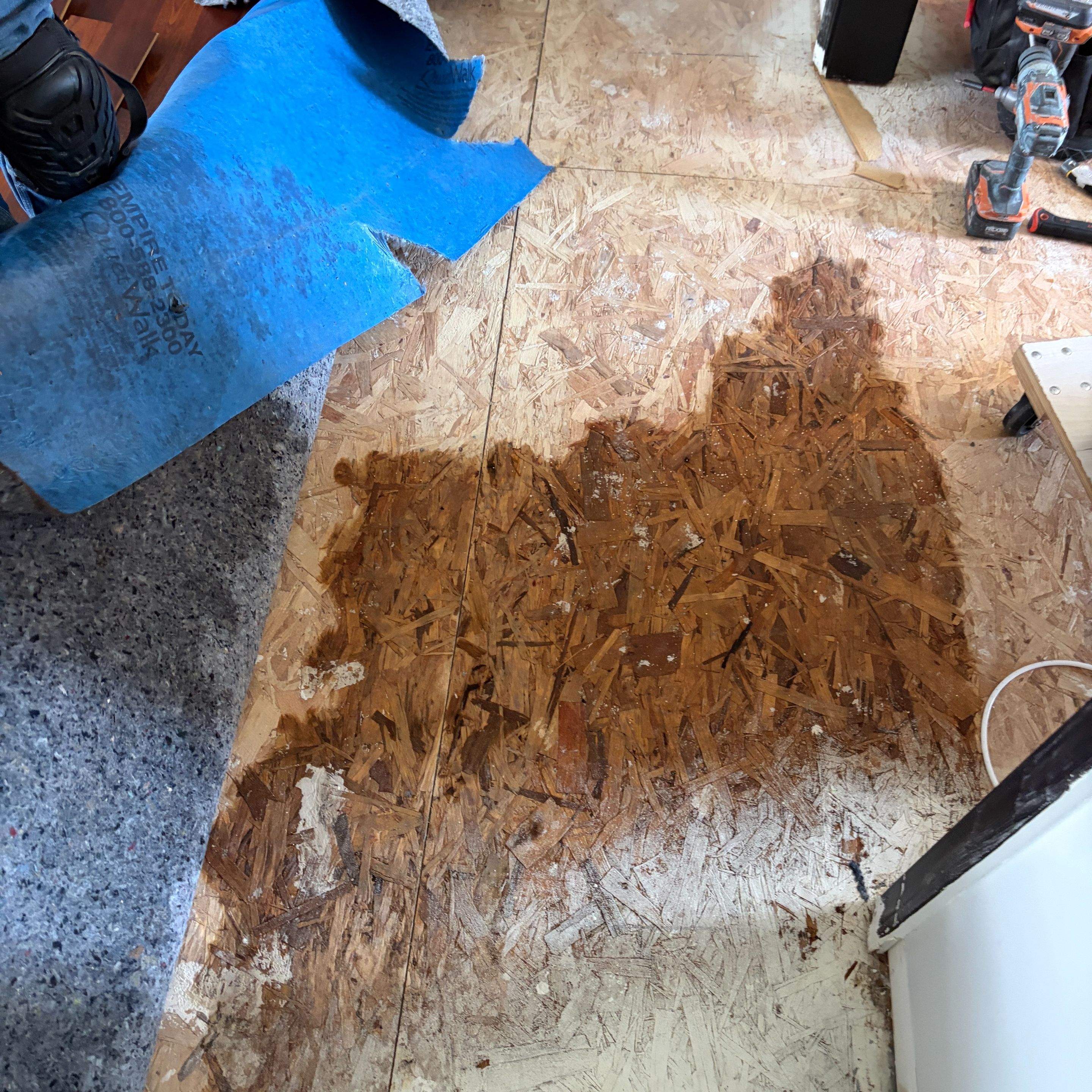
- Warped, cupped, or discolored flooring
- Paint that bubbles, peels, or shows hairline cracks
- Soft or spongy drywall when pressed
- Recurring condensation on windows or pipes
- Visible mold spots, even small ones under 1 square foot
Any one of these can mean an active leak. Two or more in the same area almost always does.
Signs by Room: Where Hidden Damage Hides Most Often
Kitchen
The kitchen has more water connections than any room except the bathroom. Dishwasher supply lines, refrigerator ice maker tubing, garbage disposal seals, and sink P-traps all fail without warning. Pull out the toe kick under your cabinets once a year and shine a flashlight along the back. Dark stains on the subfloor or a faint sour smell are early indicators. Our team has written a deeper breakdown on refrigerator water line leaks if you suspect the fridge is the culprit.
Bathroom
Caulk failure around the tub or shower is the most common hidden source. Water travels under tile, soaks the subfloor, and eventually drops into the ceiling below. Check for tiles that flex when you press them and grout that crumbles when scraped. Toilet wax rings are another silent failure point. A ring that has lost its seal will weep a small amount of water with every flush, often staining the ceiling below or rotting the flange before any visible puddle appears. If your toilet rocks even slightly when you sit down, the seal is compromised.
Basement and Crawl Space
Efflorescence, the white chalky residue on concrete walls, signals moisture migration. Rust on the bottom of metal support posts, swollen baseboards, and a musty odor when you open the door all point to chronic intrusion. In crawl spaces, look for sagging vapor barriers holding pooled water, fungal growth on floor joists, and insulation that has fallen away from the subfloor. Cold spots on the floor above an unconditioned crawl space often mean wet insulation underneath.
Attic
Roof leaks often show up far from the actual penetration. Look for dark streaks on rafters, compressed insulation, and rusted nail tips. Bathroom exhaust fans that vent into the attic instead of through the roof are another hidden cause. The warm humid air condenses on cold sheathing in winter and mimics a roof leak almost perfectly.
Timeline: What Happens If You Wait
Hidden water damage follows a predictable progression. Here is what we see during inspections in Yellowwood:
- 0 to 24 hours: Materials absorb water. No visible damage yet. Easiest stage to dry.
- 24 to 48 hours: Drywall softens, wood swells, paint may bubble. Microbial activity begins.
- 48 to 72 hours: Mold spores germinate on wet organic material. Smell becomes noticeable.
- 1 to 2 weeks: Structural members lose load capacity. Subfloors delaminate.
- 2 weeks plus: Active mold colonies, possible Category 3 contamination, framing rot.
The cost curve mirrors the timeline. A leak caught at day one might cost $800 to $1,500 to mitigate. The same leak ignored for three weeks regularly runs $8,000 to $20,000 once mold remediation and rebuild are added.
Detection Methods: DIY vs Professional
| Method | What It Finds | Cost in Yellowwood | Best For |
|---|---|---|---|
| Visual inspection | Surface stains, warping | Free | First pass check |
| Moisture meter (pin) | Wet drywall and wood | $30 to $80 to buy | Confirming damp spots |
| Infrared thermal camera | Cold wet cavities behind walls | $200 to $400 inspection | Locating active leaks |
| Borescope inspection | Inside wall cavities | $150 to $300 | Targeted verification |
| Full IICRC assessment | Category, class, scope | Often free with claim | Insurance documentation |
A pin meter is the cheapest tool you can buy that gives real data. Anything reading above 16 percent on drywall or 19 percent on wood framing is wet enough to support mold growth. For a complete look at how moisture maps to category, our breakdown on water damage categories explains what each level means for cleanup and insurance.
What a Yellowwood Water Restoration Inspection Looks Like
Our IICRC certified techs arrive in marked trucks, in most cases within 2 hours of your call for active emergencies. We use thermal imaging, pin and pinless meters, and borescopes when needed. You get a written moisture map, photo documentation, and a clear scope before any work begins. No pressure, no upsell. If the damage is minor and you can handle drying yourself, we will say so.
Simple Habits That Catch Leaks Early
Most hidden damage we find in Yellowwood could have been caught months earlier with a five minute monthly check. Build these into your routine:
- Read your water meter before bed and again in the morning with no water used. Any movement means a leak somewhere.
- Open the cabinet under every sink once a month and feel the supply lines with a dry paper towel.
- Walk the perimeter of your home after heavy rain and look for soil that stays saturated longer than 24 hours.
- Check washing machine hoses for bulges, cracks, or rust at the connections. Replace braided stainless lines every 5 years.
- Test your sump pump every spring by pouring a bucket of water into the pit.
When to Call a Professional
Call for an inspection if you notice any of the following:
- A water bill increase you cannot explain
- Musty smell that returns within days of cleaning
- Visible staining larger than a coffee cup
- Any soft spot in drywall, ceiling, or flooring
- Recent storm, frozen pipe event, or appliance failure
If you are not sure whether what you see qualifies for an insurance claim, the process is laid out in our guide on filing a water damage insurance claim. Documentation matters more than most homeowners realize. Take photos before you move anything, save receipts for emergency purchases, and write down the date and time you first noticed the issue.